The regulatory surveillance layer
12 monitored primary-source feeds. Freshness checks. Every change mapped to what it touches.
11/12 monitored feeds currently fresh
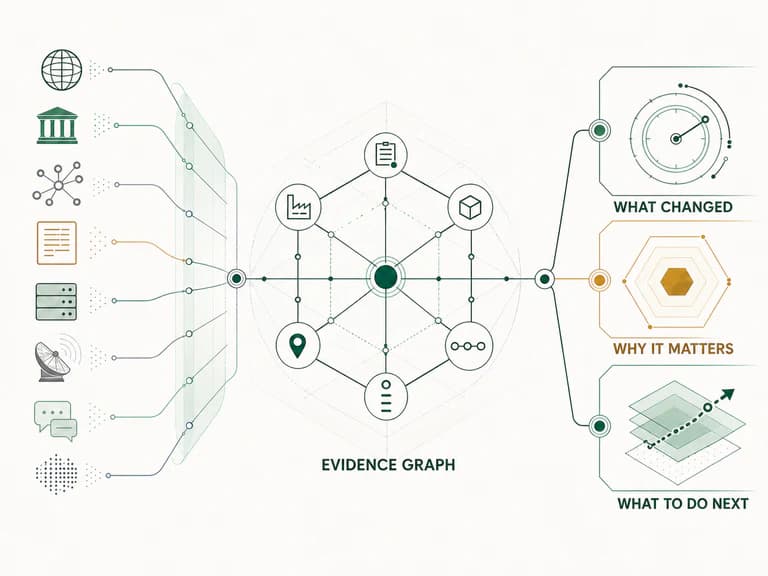
What SPEQ watches
Public coverage shows which authoritative sources SPEQ monitors and whether each source is current. Operational transports, schedules, thresholds, and pipeline implementation remain private.
| SOURCE | WHAT IT COVERS | FRESHNESS |
|---|---|---|
FDA | Recalls and enforcement actions across drug, device, food and veterinary | FRESH |
FDA | Warning letters by issuing office and subject | FRESH |
FDA | Currently active shortages by generic name, company and presentation | FRESH |
FDA | Draft and final guidance documents | FRESH |
FDA | Proposed and final rules, notices, and the comment windows on them | FRESH |
FDA | FAERS, MAUDE, CAERS and veterinary adverse-event statistics | FRESH |
EMA | Scientific and procedural guidelines, consultations, news, agendas, withdrawals | FRESH |
EudraGMDP | Statements of non-compliance issued by EU/EEA inspectorates | FRESH |
FDA | MedWatch safety alerts and FDA press releases | FRESH |
MHRA | Drug and device alerts, plus the Drug Safety Update bulletin | FRESH |
Health Canada | Health-product recalls and safety advisories | FRESH |
International Regulators PIC/S · EDQM · ANVISA · DIGEMID | Guidance, inspection and compendial publications outside the FDA/EMA/MHRA core | UNKNOWN |
Freshness is monitored against source-appropriate expectations. A stale source raises an operational alert rather than failing quietly.
How change is detected
SPEQ detects new and substantively changed source material while suppressing routine republication noise. The public result records what changed and where it came from; the internal detection and normalization mechanics remain private.
This matters because the failure mode of regulatory monitoring is not missing a change — it is drowning in republication noise until you stop reading the alerts.
Detection is not the product — the mapping is
Automated detection is good at something moved here and bad at this is what it means. So every detected change is mapped — automatically — against the standards, disciplines, and sectors it touches, and only a change that maps to something publishes. A change the rules cannot place is held back rather than published as undifferentiated noise. Where a source carries a copyright constraint, the attribution record carries that constraint and SPEQ links rather than reproduces.
The mapping is what turns a feed into an answer to does this touch me. Detection without it is a newsfeed.
What it connects to
A published change resolves against the decoded standards it touches, the disciplines and sectors it affects, the maturity domains it scores against, and the tool or template that produces the evidence. Detection without that mapping is a newsfeed. The mapping is the product.
SPEQ is not affiliated with any regulator. Each record links to its primary source; where a source carries a copyright constraint SPEQ characterises it and links rather than reproducing it.