SPEQ Rising
The free Navigator is for everyone. SPEQ Rising Student Access goes further for verified students: sponsored, time-boxed access to selected SPEQ Professional resources — so learning is not gated by budget. International students are eligible; a .edu address is not required.
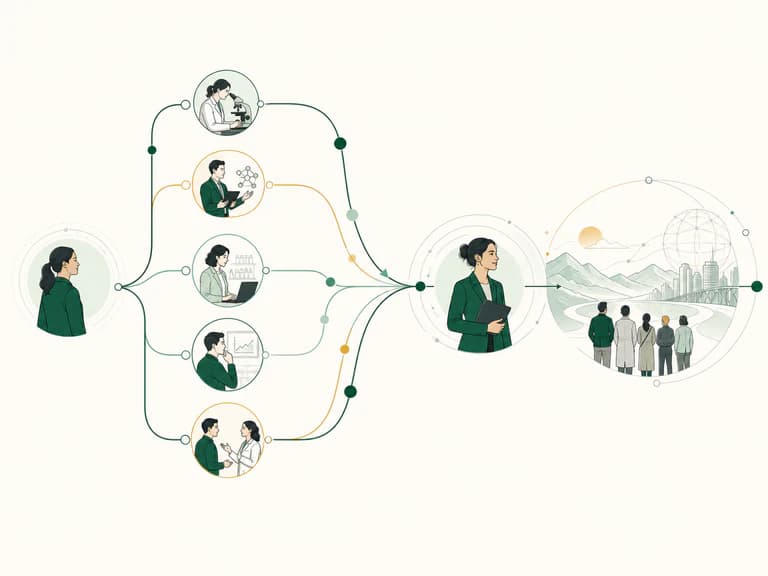
What Student Access unlocks
- Complete standards interpretation
- Inspection-readiness playbooks for cornerstone GxP topics
- Full sequenced maturity remediation roadmap with sector overlays
- Advanced search and citation search
- Editable template downloads
Template downloads carry a visible “Educational use” designation while a grant is active. Access is sponsored and time-boxed; a later paid subscription simply supersedes it.
Why this exists
Regulated life sciences has an unusual entry problem. The work is governed by documents that are expensive to buy, written for people who already hold the context, and taught mostly on the job — so a student can complete a relevant degree without ever seeing a deviation record, a change control, or the reasoning that connects a regulation to what somebody does on a Tuesday. The gap is not intelligence or motivation. It is access.
The free Navigator already closes part of that gap for everyone, with no account. Student Access closes more of it for people who are studying now, on the view that the cost of admitting someone who would have paid is smaller than the cost of a generation learning this field from summaries.
It is sponsored rather than discounted. There is no card, no trial that quietly becomes a subscription, and nothing to cancel.
Eligibility, and what verification means
Student Access is for people currently enrolled in a course of study, anywhere. An academic email address is the fastest route because it verifies itself; where a student does not have one — which is common outside the United States, and normal for many institutions — the application goes to manual review instead, and enrolment evidence is read by a person. Neither route is a second-class one, and the grant is identical.
Verification establishes that an applicant is a student. It establishes nothing else. It is not an assessment of ability, it is not an endorsement by any institution, and holding a grant is not a qualification, a credential or a statement about competence — SPEQ does not certify anyone, and a grant confers access to material rather than standing in the field.
What happens at the end
A grant runs for 6 months and then stops. Reminders go out beforehand, at 30d, 14d, 3d — enough warning to finish a piece of work or export what you need, rather than a surprise. At expiry the account downgrades to the free Explorer tier and keeps everything that tier includes; it does not convert to a paid subscription, because there is no payment method on file to convert.
Work saved during a grant stays saved. What ends is access to the Professional resources listed above, not the account or its contents.